


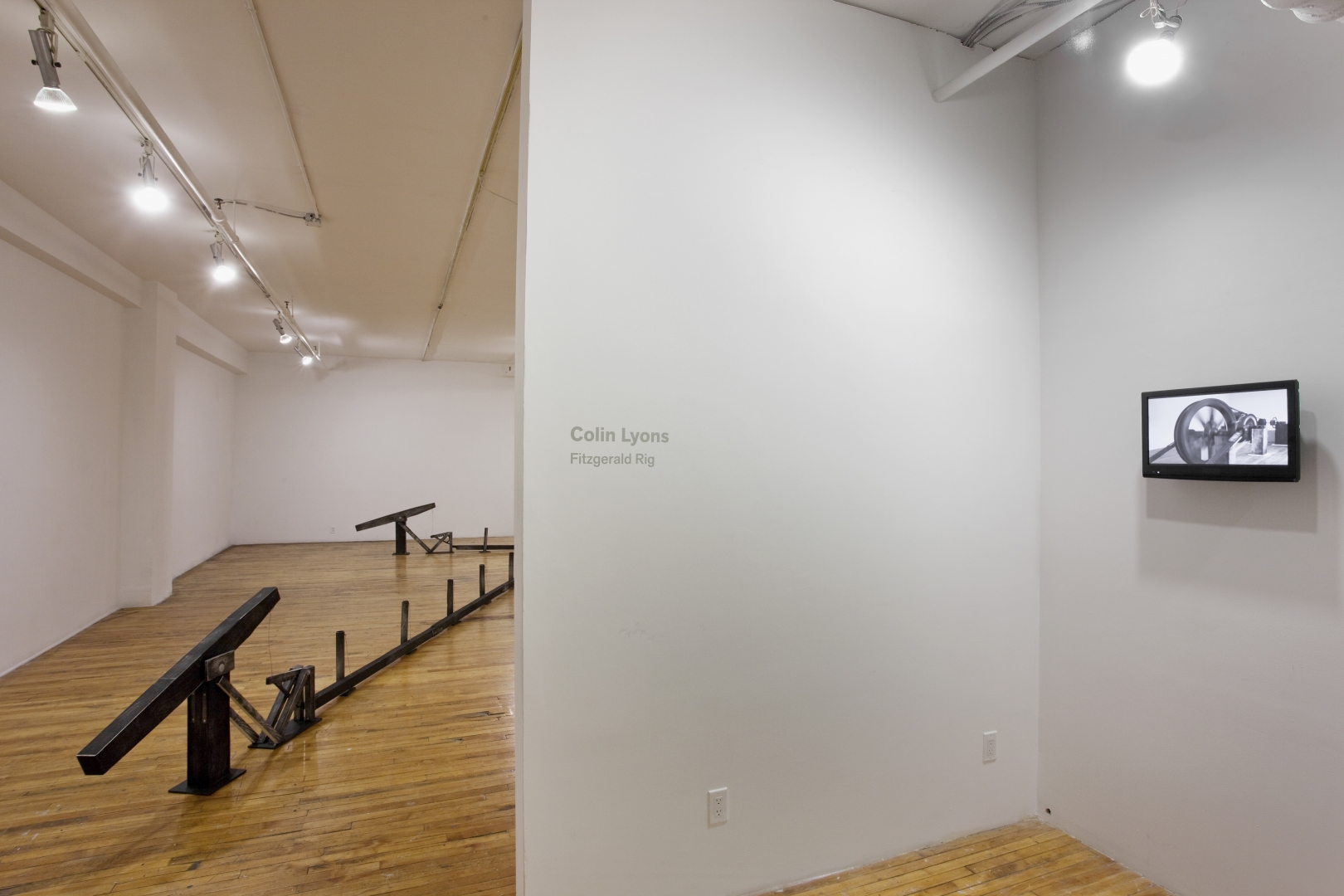
Colin Lyons: Fitzgerald Rig
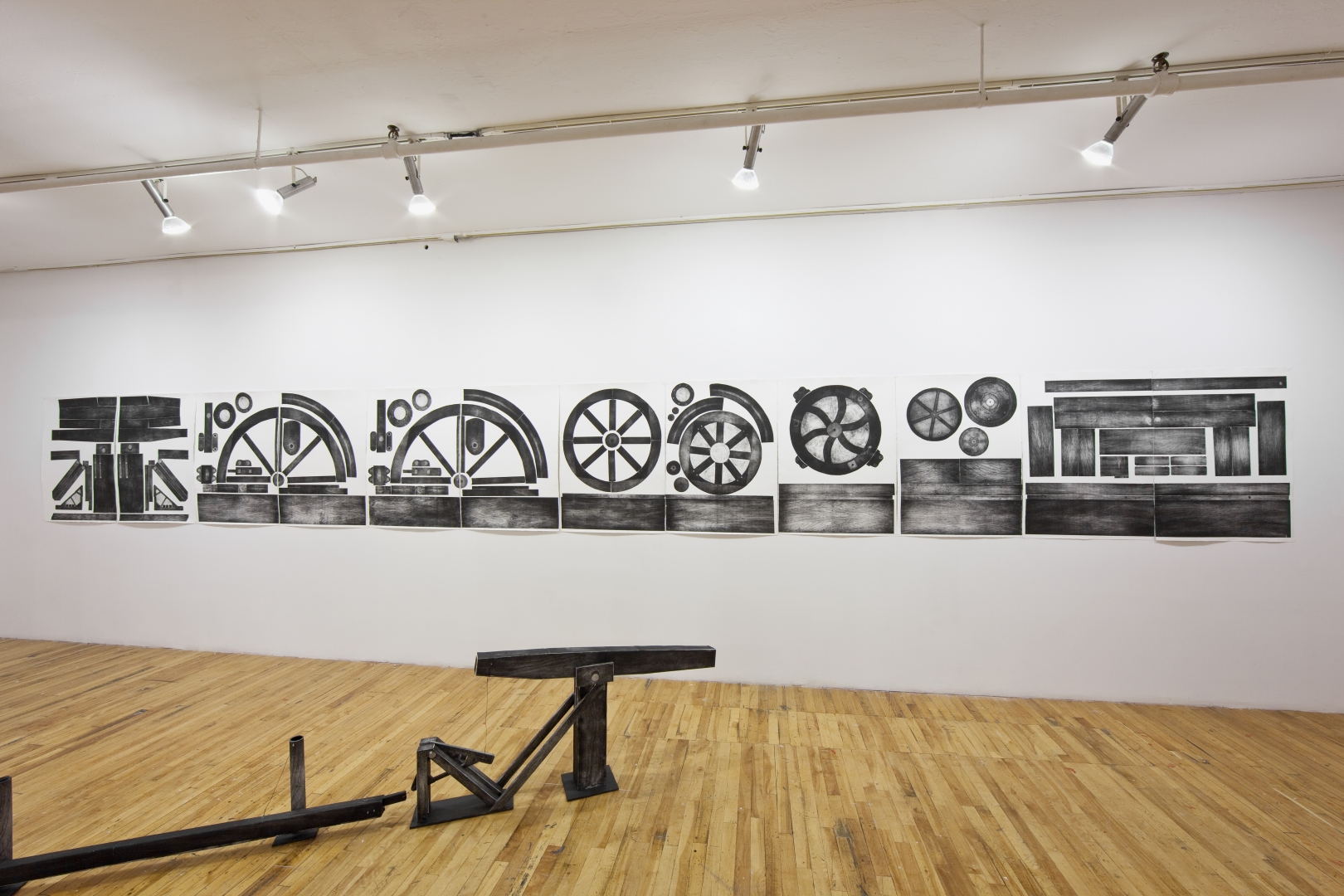
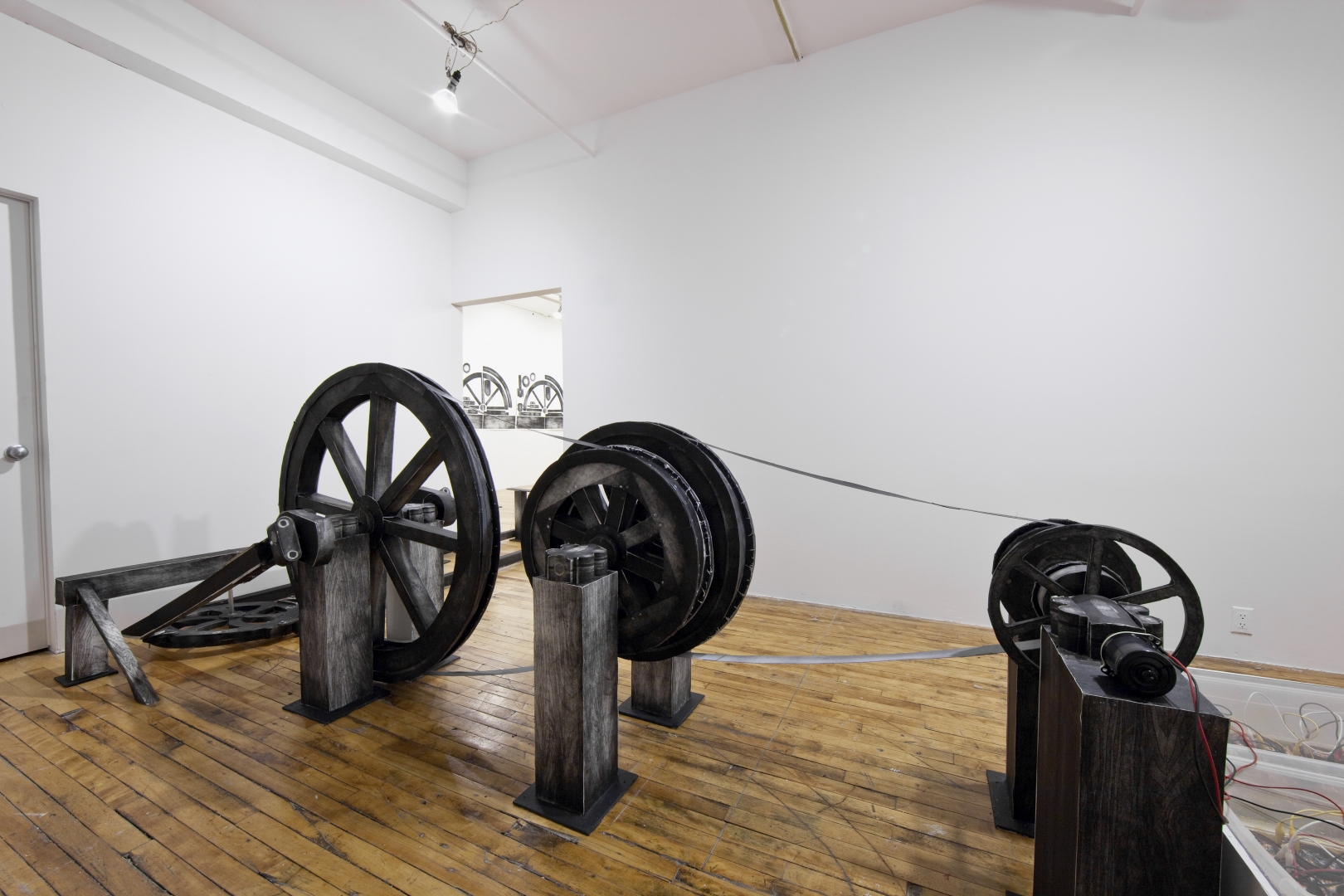
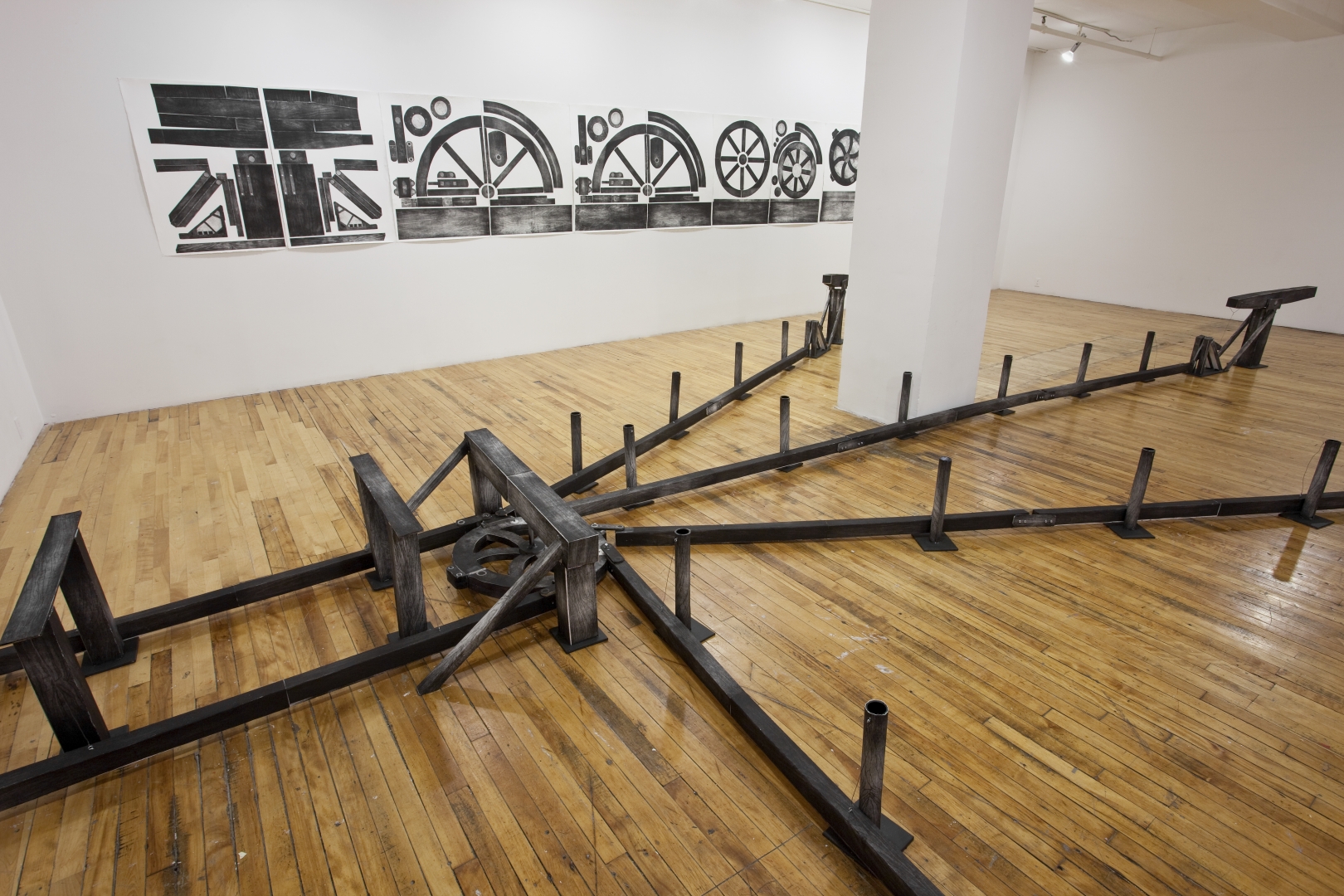
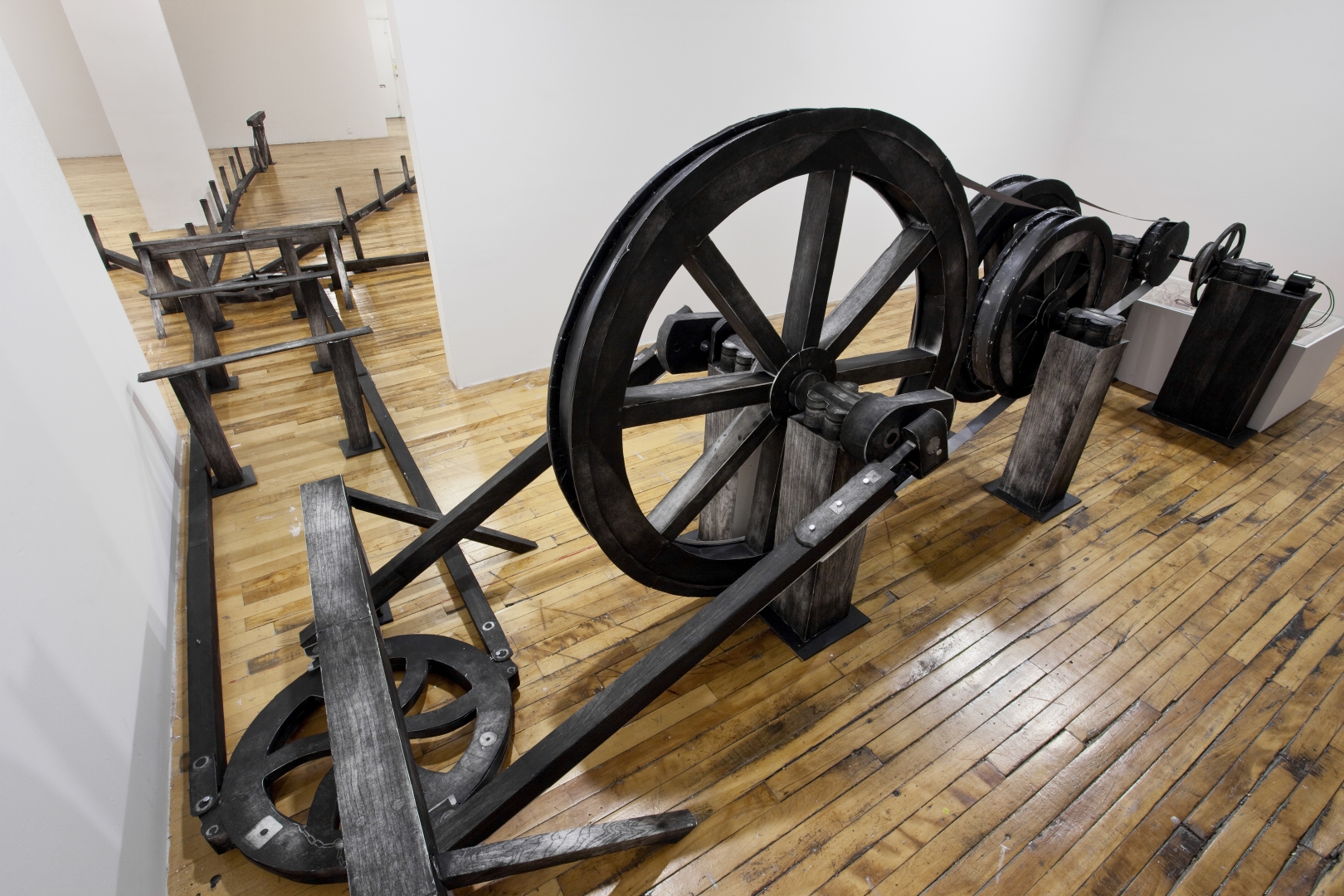

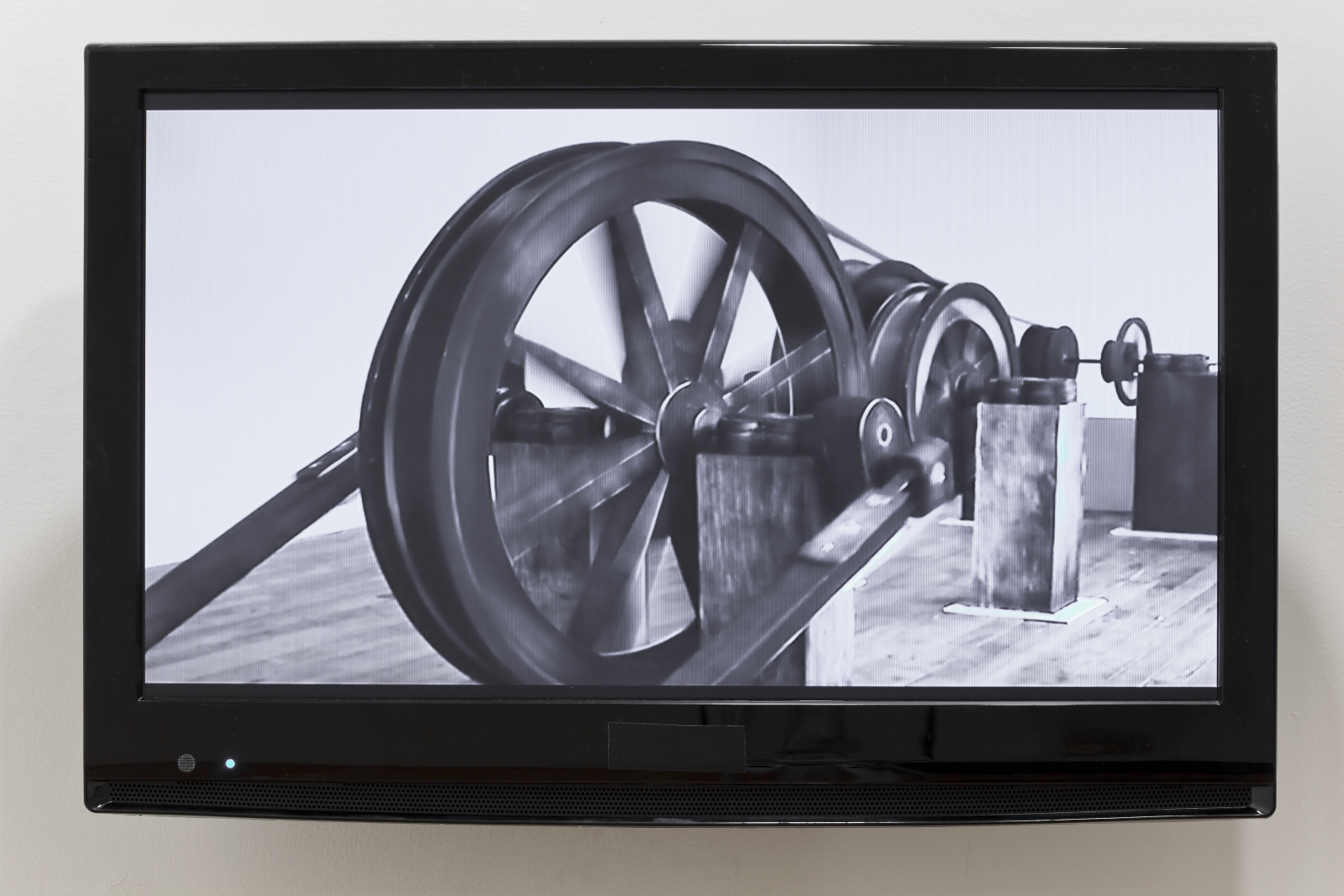
Installation
October 9 – November 14, 2009
Opening on Friday October 9, 5pm-9pm
Artist’s Talk on Wednesday October 14 at 5:30pm
Project Description
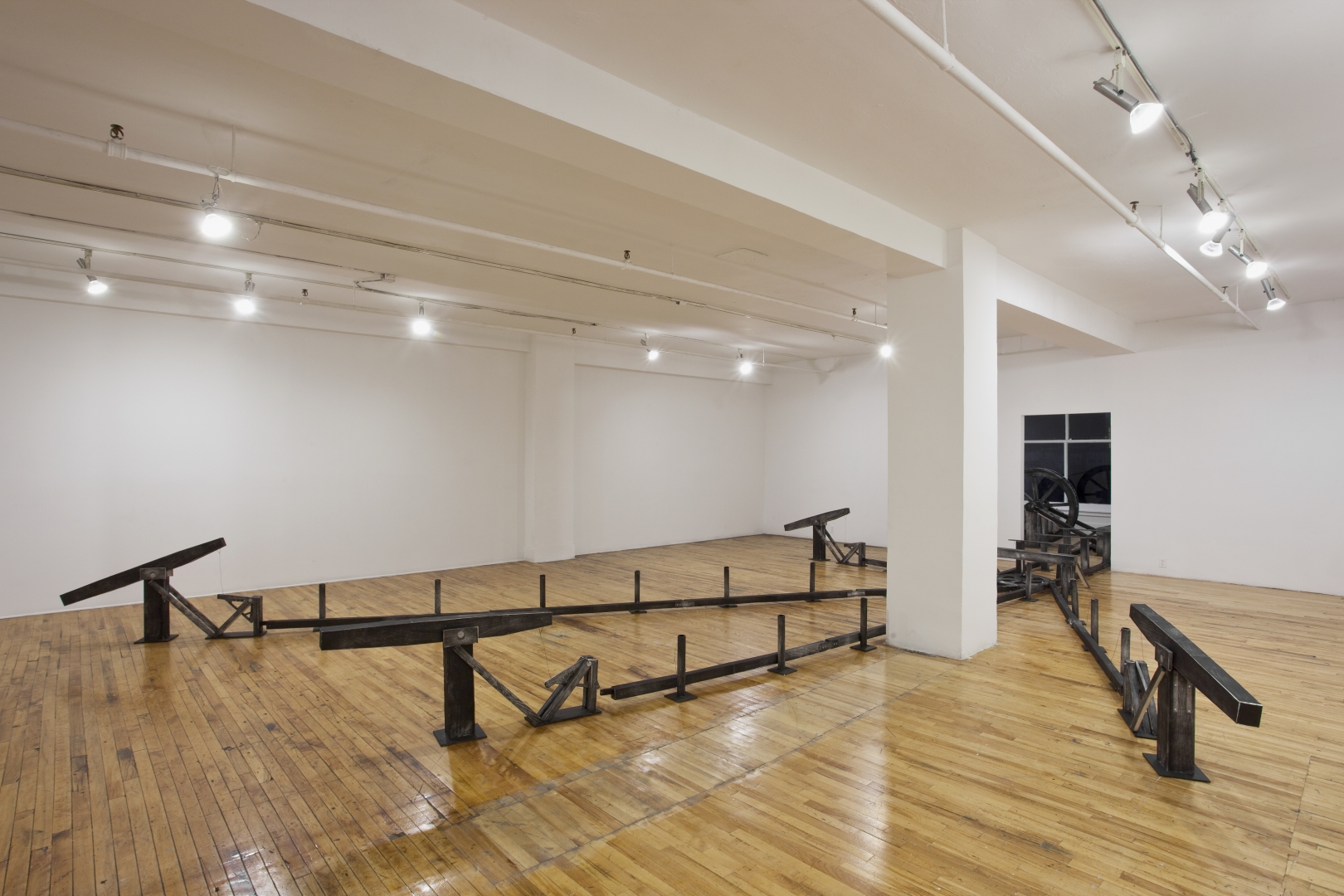
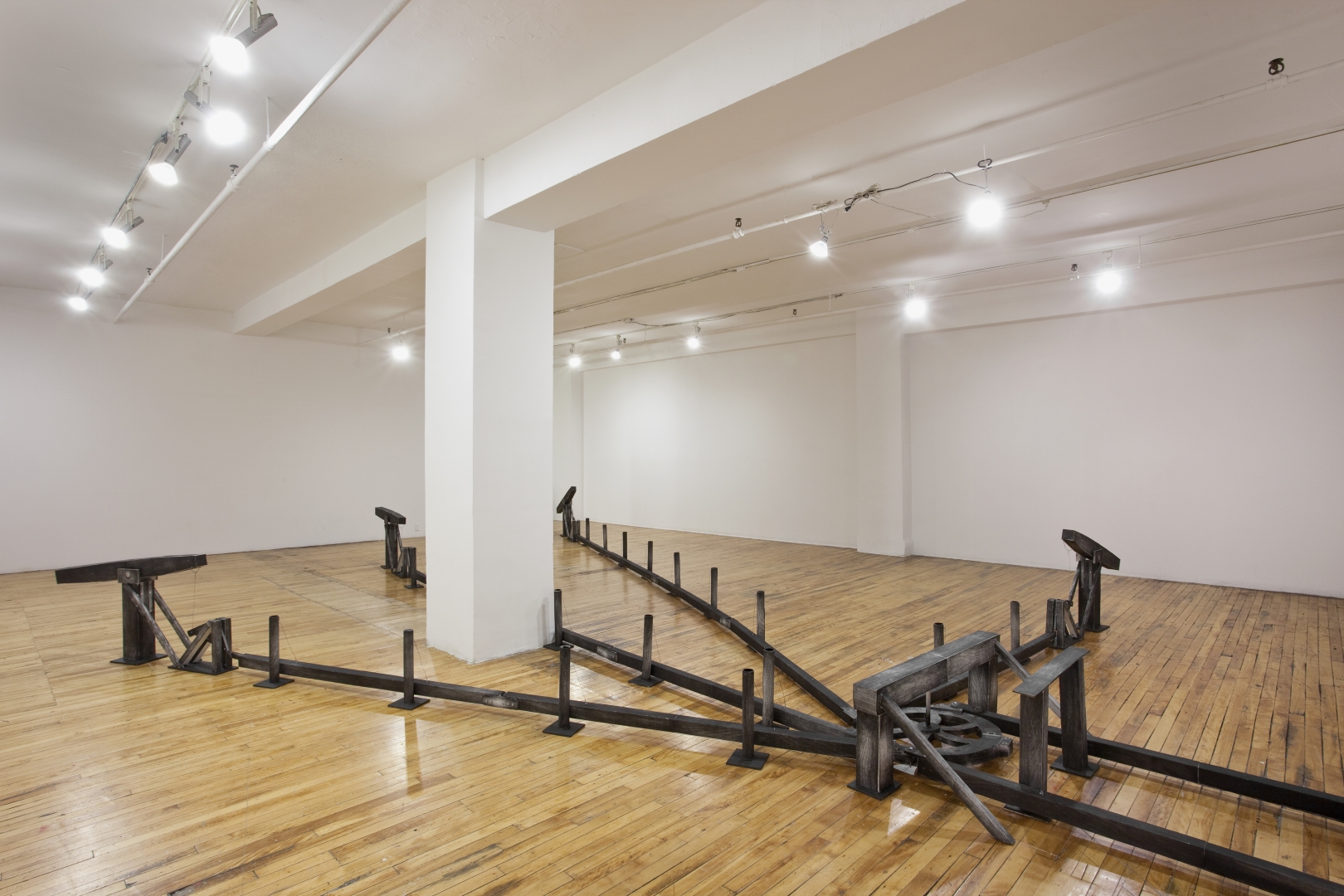
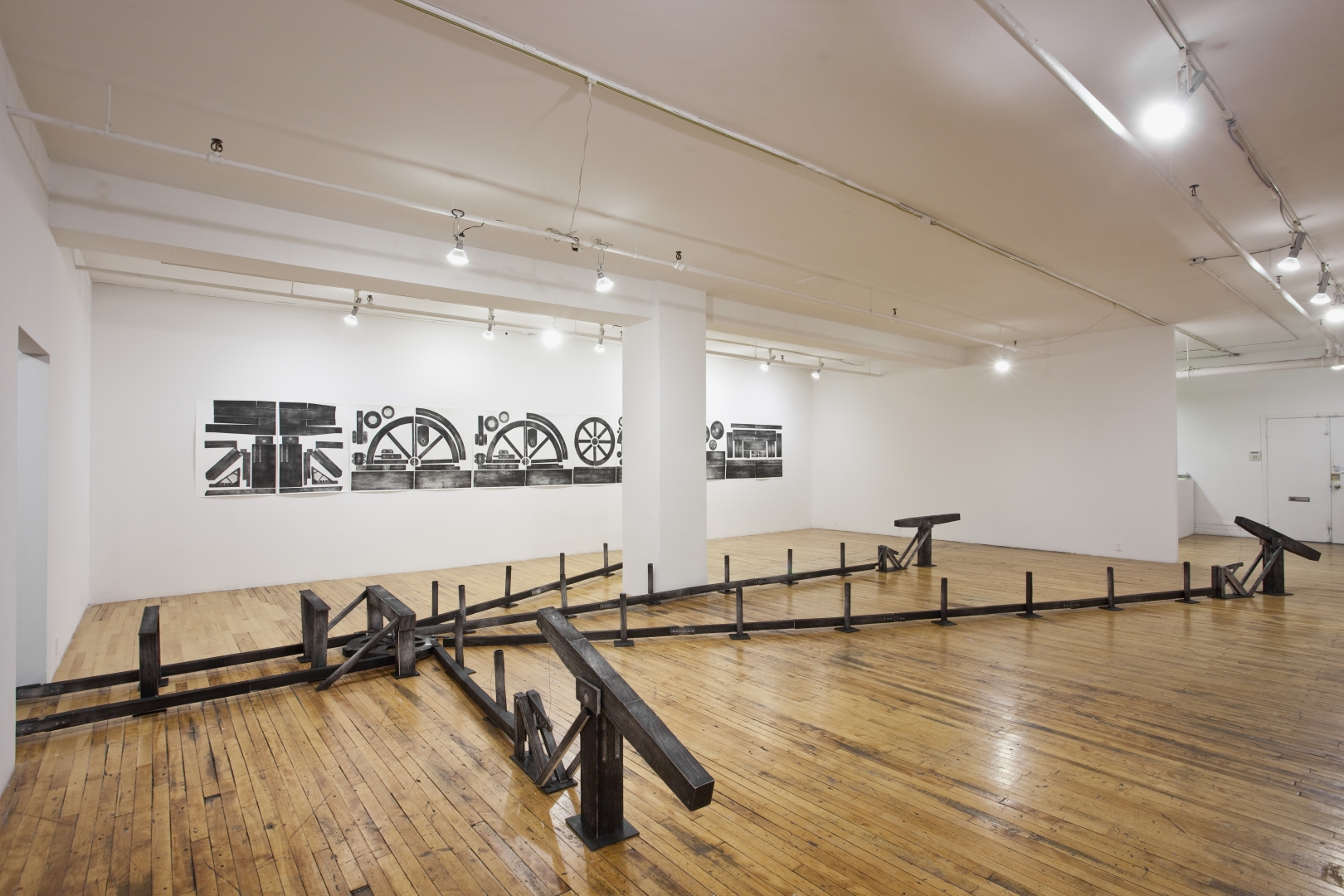
An installation of kinetic and sculptural prints exploring the transformation of abandoned industrial landscapes, particularly that of the artist’s native Petrolia (Ontario), which had been a prosperous oil town in the early 20th century. The oil fields represented in the installation are activated by the printmaking process itself: the gradual erosion of the plates used in producing the work fuels—and exhausts—its movement. This exhibition is presented in a text by Chris Lloyd.
“Lyons’ work creates ambivalence between history and memory, especially as it pertains to a former boomtown. The lonely oil rig, still pumping oil but only for itself, is the physical reincarnation of memory, of a so-called living history, but is also a stark reminder of the very foundations of our current civilization. While debate rages over Peak Oil and what diminishing oil reserves will mean for the global economy, not to mention our ecology, the rig pumps on, oblivious to its own role in global history.”
Keys
1. The Petrolia Discovery, an historic oilfield located in Petrolia, ON.
2. Selected exerpts from: Pierre Nora (dir.), “Between memory and history: Les lieux de mémoire”, in History and memory in African-American culture, edited by Geneviève Fabre and Robert G. O’Meally, Paris, Gallimard, 1984.
3. How to make a homemade battery: Marshall Brain. How Batteries Work.
 "How Batteries Work" by Marshall Brain"Between Memory and History: Les Lieux de Mémoire" (excerpt) by Pierre NoraThe Petrolia Discovery"Colin Lyons : Fitzgerald Rig" by Chris Lloyd
Colin Lyons received his BFA from Mount Allison University in 2007. After working in Montreal for the past two years, he recently moved to Edmonton to begin an MFA in printmaking at University of Alberta. His latest project, Boom Town was exhibited at Gallery Lambton (Sarnia, ON), Niagara Artists’ Centre (St. Catharines, ON), Open Studio (Toronto, ON), TRUCK (Calgary, AB), and AKA Gallery (Saskatoon, SK).